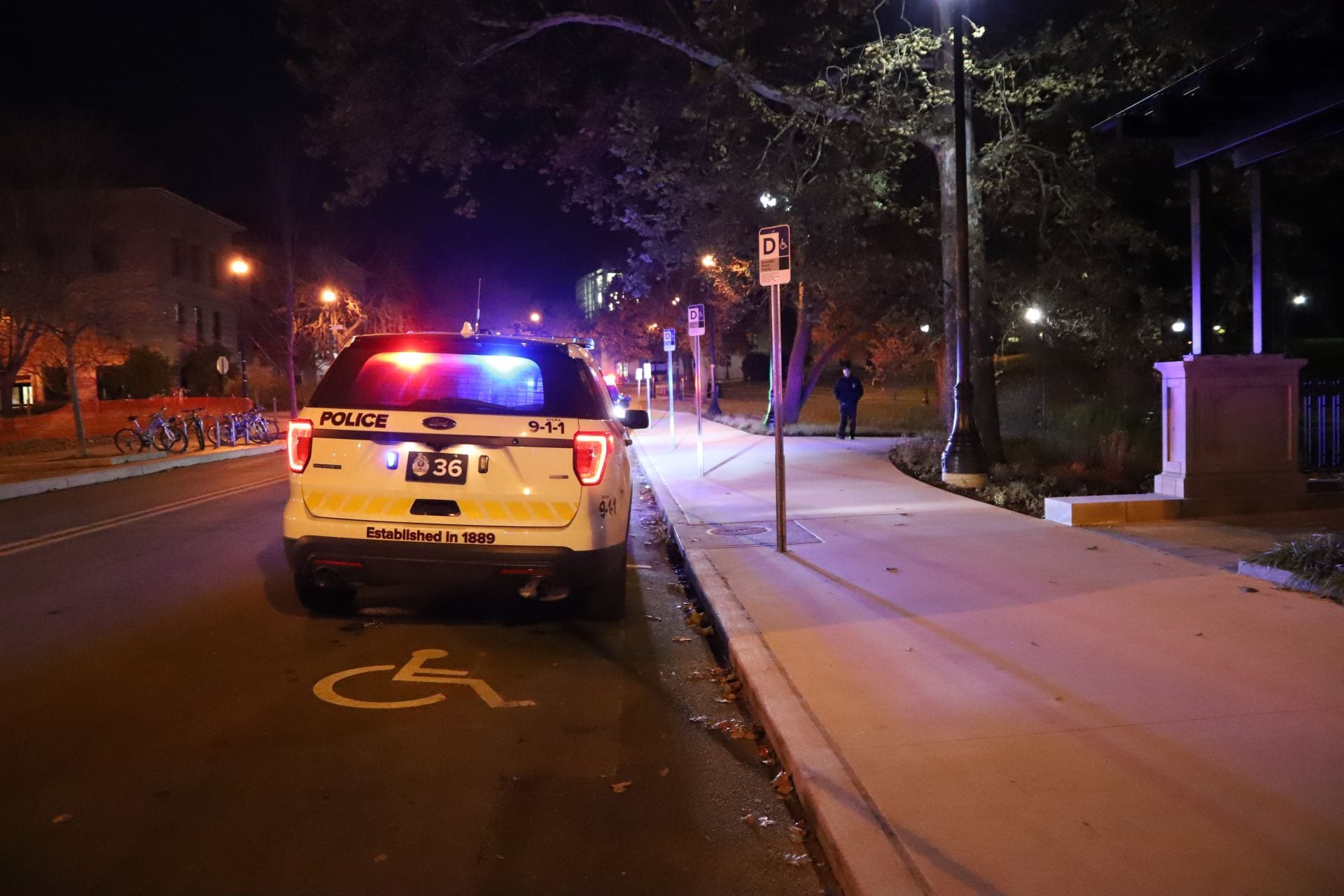
Buckeye Alerts notifies the campus community of emergencies occurring on and near campus. Credit: Casey Cascaldo | Photo Editor
Ohio State sends many safety notifications each year and knowing what to do when receiving a late-night Buckeye alert or a public safety notice can sometimes feel unclear.
The university uses both systems to communicate about crime and emergencies, but each serves a distinct role.
Buckeye alerts are sent during emergencies when the Ohio State public safety officials determine the community must take immediate action to remain safe. Public Safety Notices are emailed to increase awareness of serious criminal incidents that pose an ongoing risk to raise awareness and help prevent similar crimes, according to the Ohio State Department of Safety website.
University officials said knowing how to interpret each message can help students make safer real-time decisions.
Buckeye alerts and Public Safety Notices alike are required under the federal Jeanne Clery Act, which mandates college and university campuses to disclose campus crime data, support victims and outline safety policies, according to the Clery Center.
A Buckeye alert is a timely and urgent message issued to Ohio State students, faculty and staff to warn them of imminent danger on the campus.
“This allows dispatchers to issue an urgent alert campus-wide via text, computer screens and other channels in a matter of seconds,” Dan Hedman, university spokesperson and lead for the crisis communication of public safety, said in an email.
Follow-up messages depend on the type of emergency and are sent to students, faculty and staff as more information becomes available, according to the safety department’s website.
The department’s website said students can manage their Buckeye alert contact preferences through their Ohio State account to ensure their phone number and email are current.
Public safety notices are different in their nature and timing.
According to the safety department, Public Safety Notices are sent via email after a crime has occurred that the campus community should be aware of.
Hedman said a recent example of a public safety notice involved an aggravated assault and robbery that was determined to be a threat to the campus community.
“Following the issuance of a January 22 public safety notice, images released to the community helped OSUPD make a quick arrest,” Hedman said.
In a video created by the Office of Administration and Planning, Cassandra Shaffer, a detective of the Ohio State Police Division, explains the types of safety notices and their differences.
“Public safety notices are emailed to all students, faculty and staff, shared on social media and posted on our public safety website,” Shaffer said.
In the same video, Shaffer also describes a third resource for the Ohio State community to track reports and incidents of crime: the Community Crime Map.
Hedman said the crime map is made up of statistics from the Columbus Division of Police to show off-campus crimes but is not required under the Clery Act.
According to the safety department, the map is set to have reports from the past week within a one-mile area.
More information about Buckeye alerts and Public Safety Notices can be found on the Ohio State Department of Safety’s website.